From Motorola to Fairphone: 20 Years of Phones
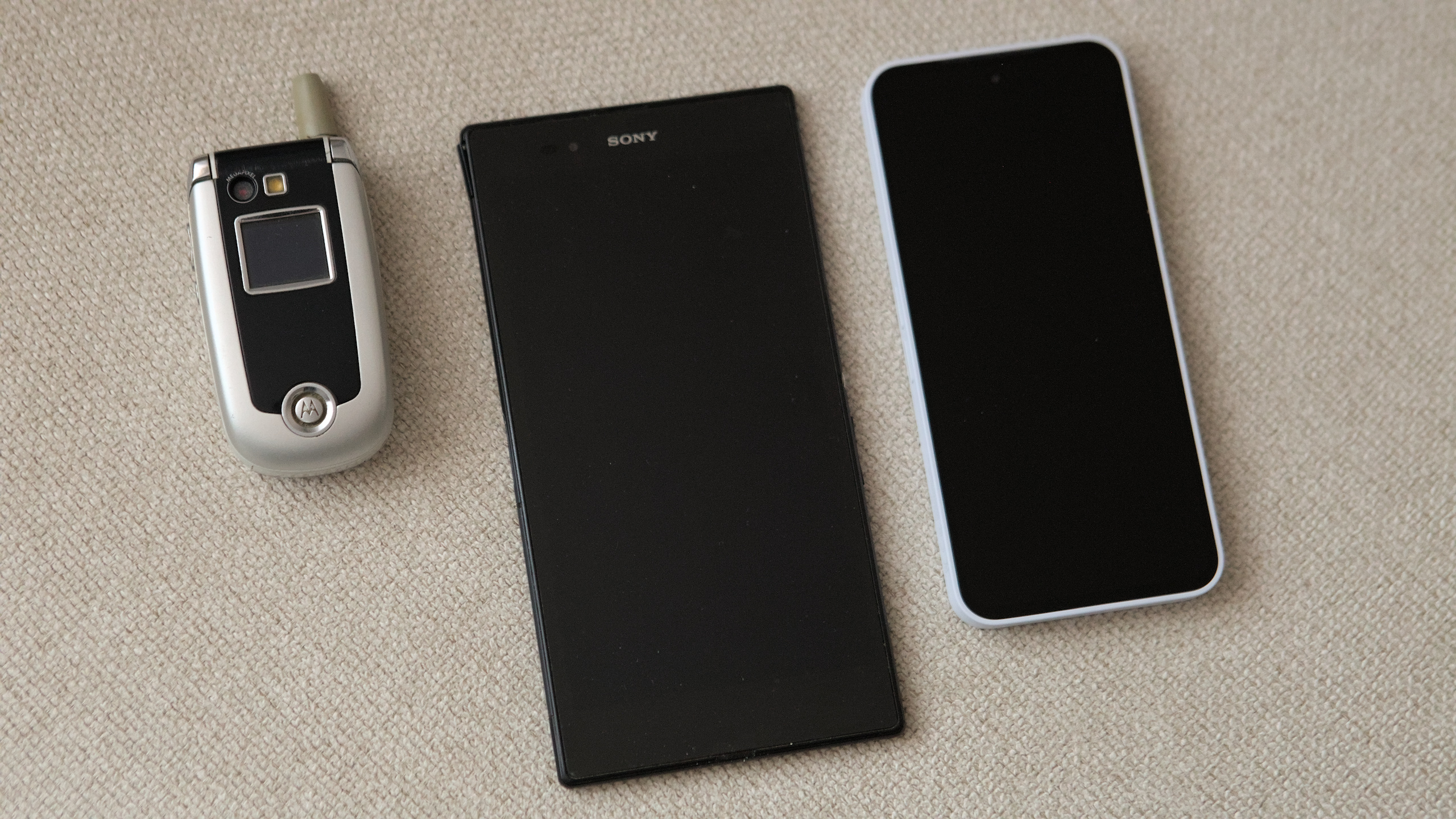
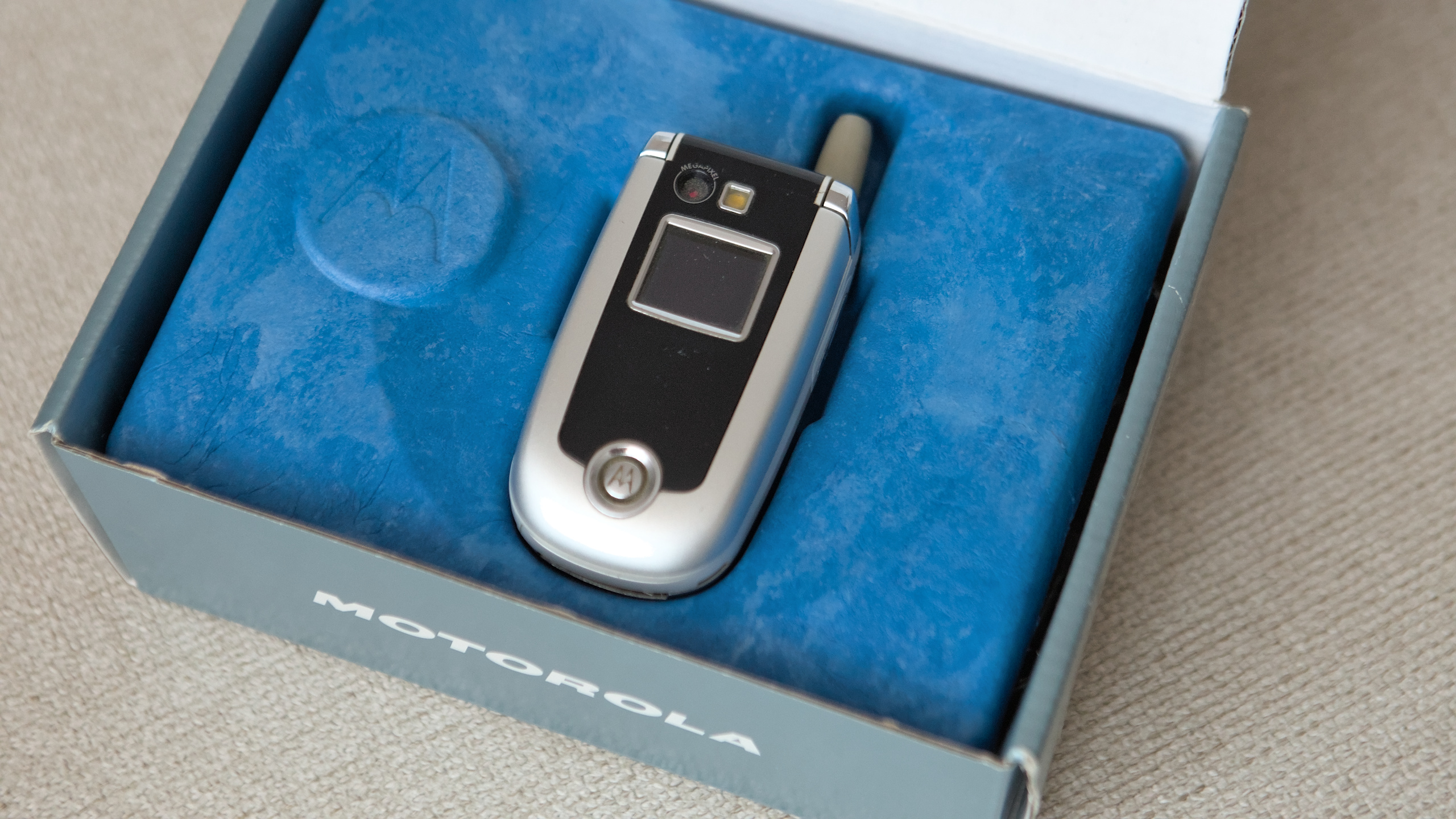
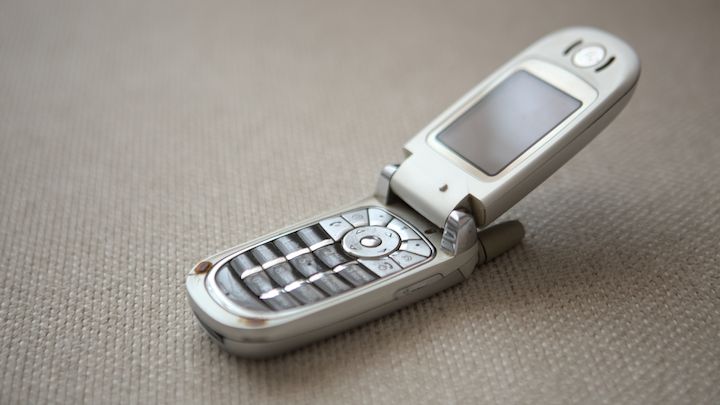
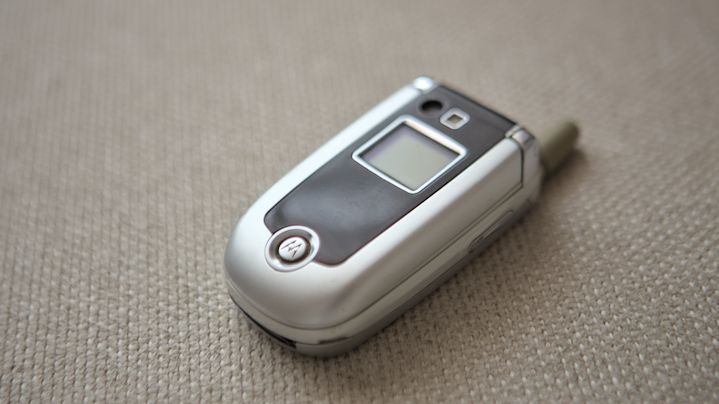
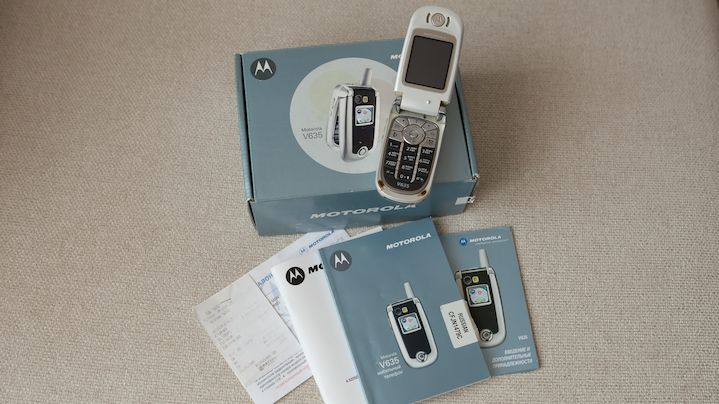
Motorola V635 — the first phone (2005)
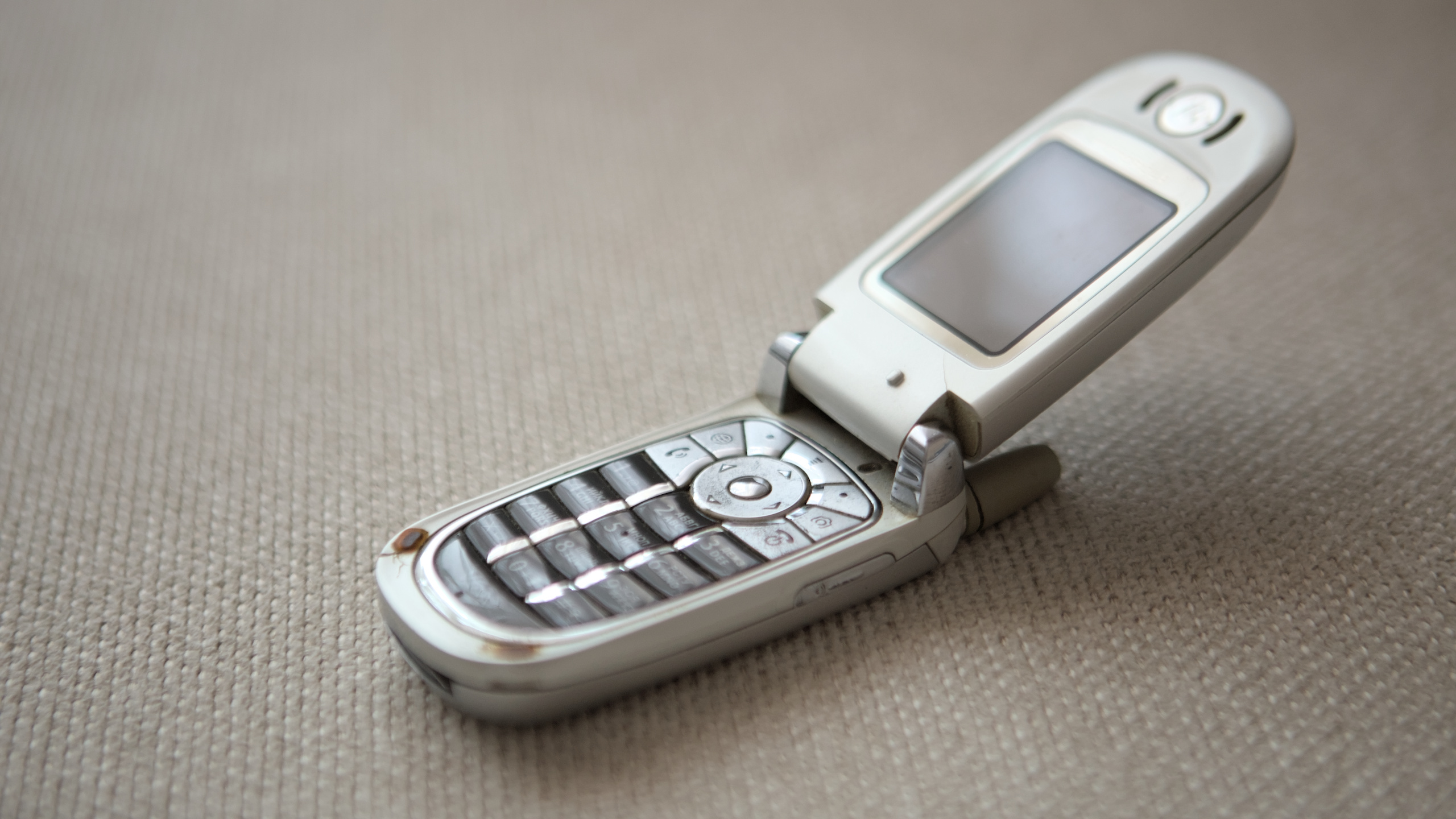
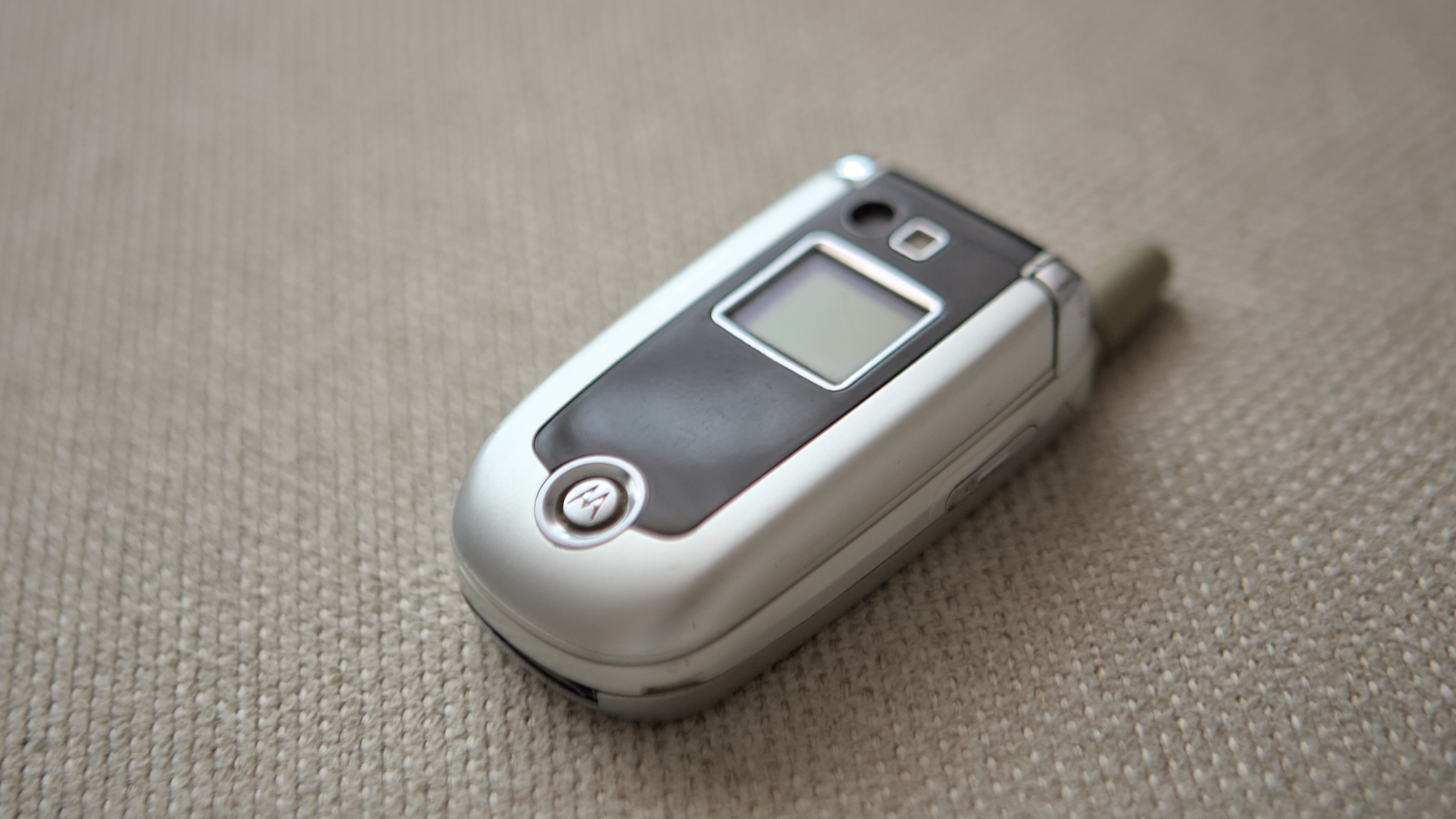
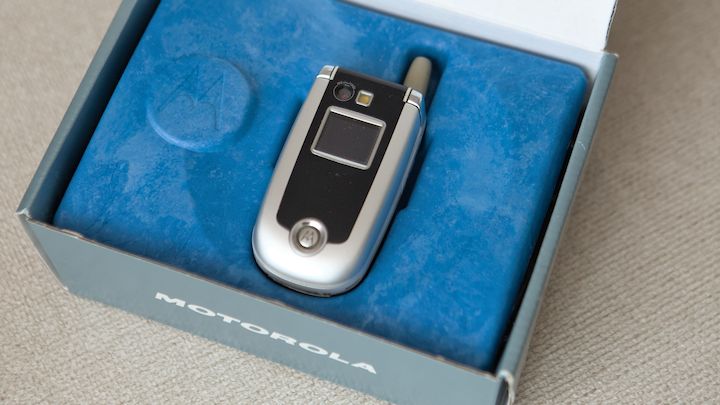
My very first phone was the Motorola V635. Me and my parents bought it back in Ukraine, in the city of Lutsk — I still remember the Allo phone shop — when I was in 10th grade. That was 2005. $310. Pretty expensive for a phone back then, but the Motorola was genuinely top-of-the-line at the time. A flip phone with two color displays, a 1.2 MP camera, SD card support, MP3, Java games, all that stuff.
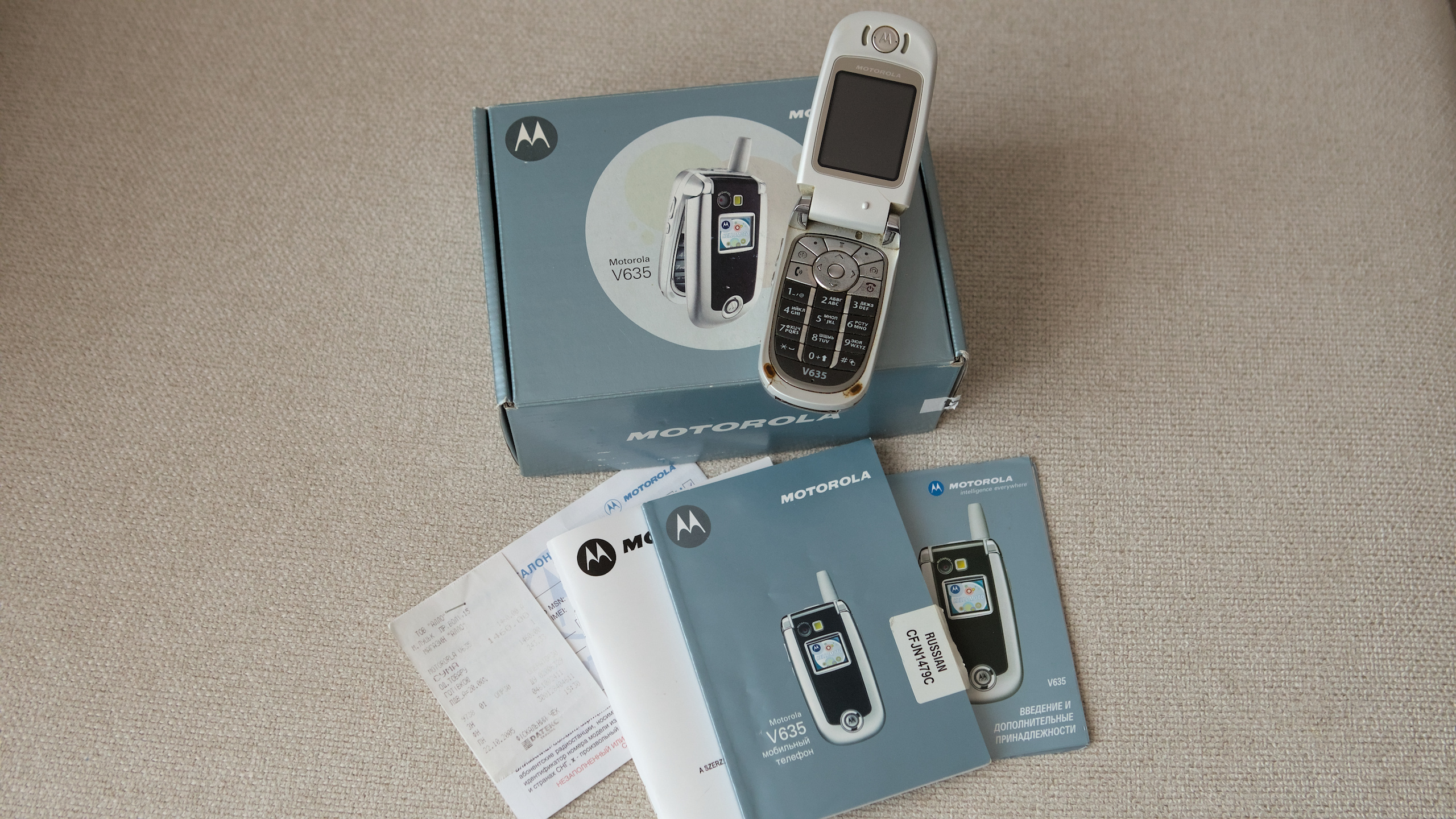
Buy it once, buy it right — that was kind of an unspoken rule in our family, especially when it came to buying tech. Buy cheap, buy twice, something like that.
It stuck around for a long time. Worked great, and honestly still does. Chinese sellers on AliExpress even sell replacement batteries for this thing. It’s barely worn on the outside — the front and back have removable aluminum covers. The external display is color, shows who’s calling, and lets you use the phone for selfies when it’s closed. Can you imagine — selfies, back in 2005.
The Motorola is kind of a retro artifact for me now. Sometimes when friends come over I still surprise them with a working phone from the 2000s. Yeah, it has an external antenna, and a full-size SIM card — nobody from the younger generation has even seen one of those.
Samsung Galaxy S Plus — going Android (2011–2014)
Then after the V635, somewhere around 2011, when I was already working, a few colleagues were constantly chatting about upgrading their phones. A handful of people ordered the Samsung Galaxy S Plus, and I just went along with them. Touchscreen, around 4 inches diagonal. Overall a decent phone, a big step up from the flip Motorola. It ran Android 2.3 or something like that. Looking back at that moment, I remember not really feeling much excitement about the switch. Honestly I liked the Motorola more, in the end. Maybe because it was tied to both my school years and uni, or maybe because of all the modding I did with it, I’m not sure. Most likely because the Galaxy was just… one of many. Not unique. Didn’t stand out. And on top of that, as it turned out, I didn’t really need the internet or any apps. I just didn’t use them. My whole routine was built around using a phone strictly for calls and SMS. Yeah, from about 2005 to 2012 SMS was my main way of keeping in touch.
So, yeah. That phone didn’t stick around for too long.
Sony Xperia Z Ultra — a phone for 12 years (2014–2026)
The purchase
So in 2014 I bought the Sony, because by then I was earning decent money and wanted something better, something more interesting. Everyone was starting to buy bigger phones. And I went all-in with the biggest one — Sony Xperia Z Ultra, 6.44 inches. $950. A lot of money for a phone at the time.
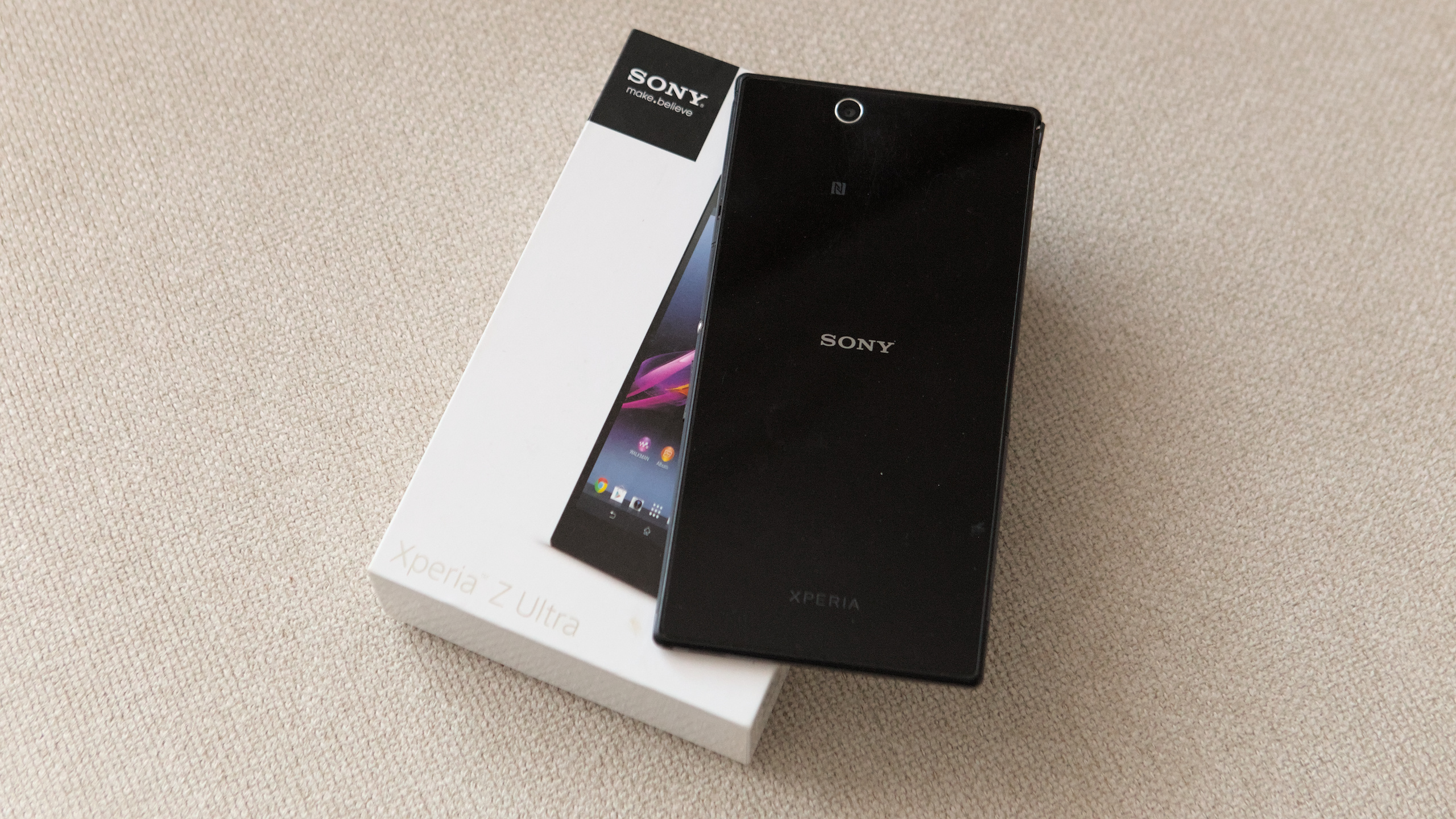
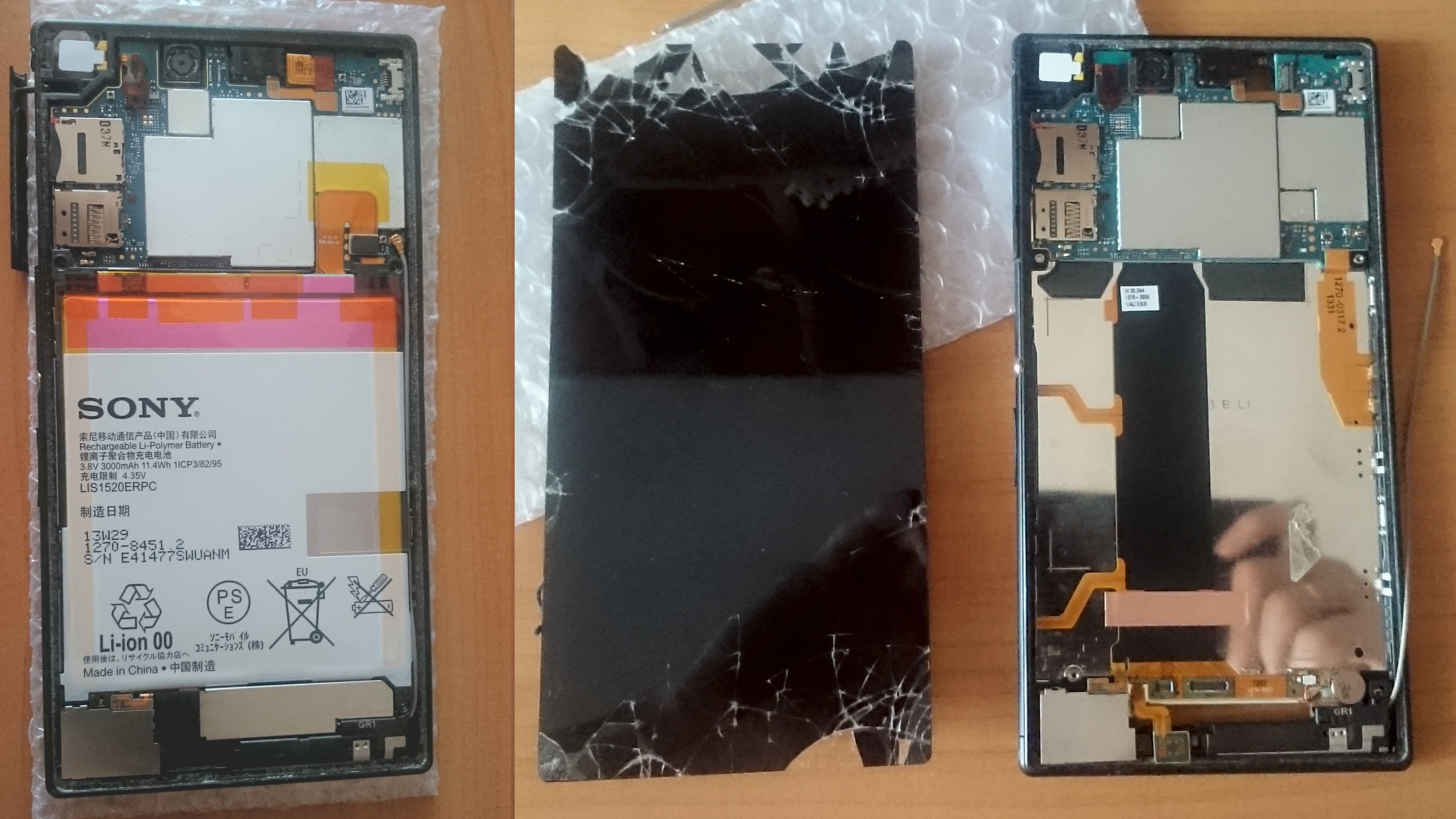
And spec-wise it was genuinely outstanding back then. Full HD screen, two gigabytes of RAM. SD card. All of that. Very thin. It’s actually still one of the thinnest phones around — the battery basically takes up half the body. I’ve taken it apart several times, seen it with my own eyes.
It’s not a trivial teardown, by the way. Takes patience and a steady hand. The back cover is glass. If you don’t heat up the adhesive around the edge enough with a heat gun, the glass cracks really easily, and then the whole cover needs replacing. My dad taught me to work with electronics from a young age — I’m a systems engineer with 20+ years of experience, so taking apart a phone is like changing batteries in a remote for me. My workplace always has soldering stations, desoldering pumps, a microscope, multimeters, oscilloscopes, bench power supplies — everything for electronics repair. And even then, the Z Ultra made me sweat a bit.
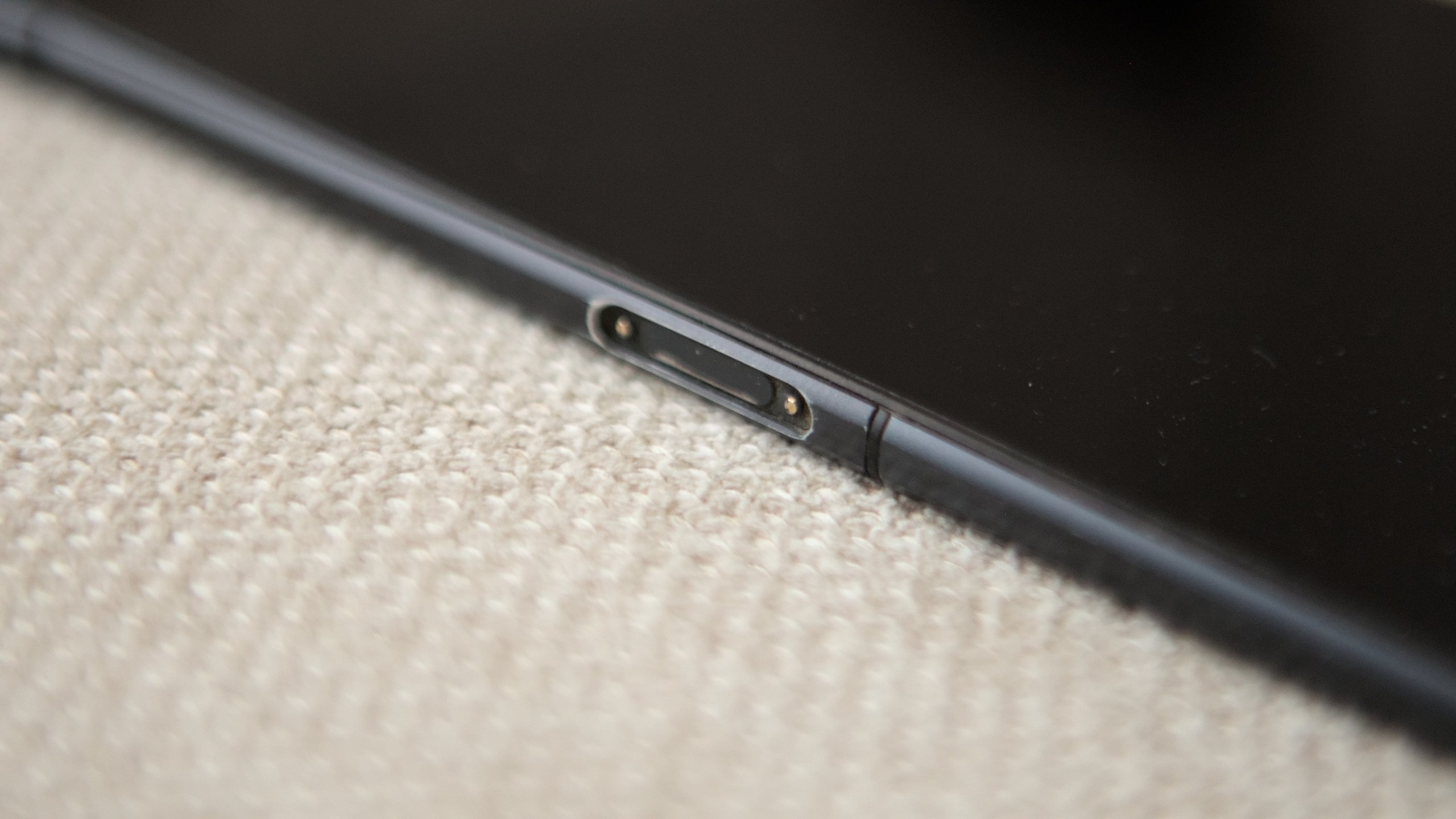
Huge phone even by today’s standards. Boxy, squared-off, almost tablet-like. But it fit perfectly in my big palm. People joked: “At least you’ll never need a snow shovel.” They joked and joked, and now ten years later everyone’s got oversized slabs that are thick on top of it. Sony deserves credit — without a case, that phone looks beautiful. Thin, very sleek. And there was a magnetic charging port — amazing solution, I really miss it. And a dock with that connector too, super convenient.
Yeah, the trade-off for the thinness was the camera — just 8 megapixels. But it was more than enough for me. Good camera. No flash or flashlight though.
Travels and everyday use
It traveled with me through dozens of countries. Literally dozens. India, Spain, France, Norway, and on and on. Always by my side, never let me down. I used to rinse it under the tap — it was waterproof, quite rare back then. Guys around me were genuinely blown away by that. After a hot sweaty day I’d just grab the phone and run it under the tap. And it would just keep working fine after that.
You could just pull it out at any moment — look something up, jot something down, take a photo. It made a great GPS. Having a big screen with the map was kind of a luxury in cars around 2015–2016. Especially when you’re traveling abroad and renting a car — usually budget ones, barely equipped. The big diagonal was really handy. Walking around a city too. You could see all the landmarks. The whole route ahead of you on the map.
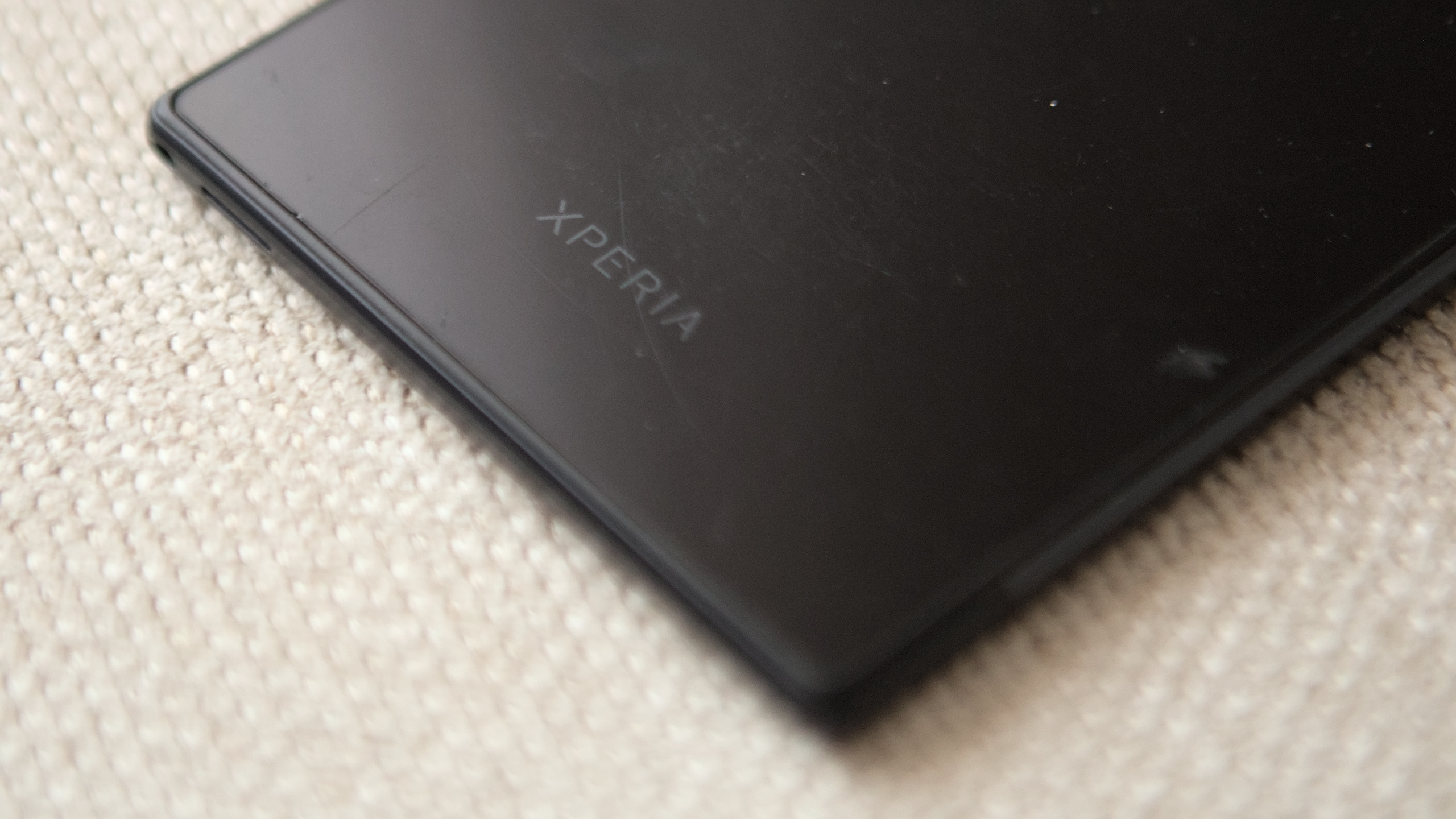
I used it without a case. Even though people always say — protect the camera, protect this, protect that. I specifically bought a phone to have something slim and elegant, and if over time it picks up a few scratches and scuffs — that’s normal. I actually like when things age with me. You can tell they’ve been used. I don’t need my phone to look brand new after 10 years. Then you’d have to ask — did I even use it? Same goes for bigger things, like cars. I’m not saying you should trash them. I don’t mean using them carelessly or not looking after them, like throwing your phone in the same pocket as your keys. No, I use my things carefully, I take care of them — just without obsessing over it.
From having everything to using almost nothing
In the beginning with the Sony I installed basically everything, because I was young, curious, and it was a powerful convenient phone. Tried different games and apps — it was fun. After the Samsung I wanted to explore.
And then at some point I realized I was spending too much time on my phone. Started to feel like I was depending on it, and I wanted to get away from that. The list of apps started shrinking, bit by bit. In the end I settled on just Joplin for notes, Element as a messenger, Syncthing for sync, and… yeah, that’s about it. Plus the standard stuff — gallery, camera, SMS, all that. Oh, and an OTP generator for work.
I was getting older, I wanted to focus only on what mattered — stop wasting time on information noise, on things that didn’t really concern me. It was a gradual, conscious decision. Sometimes I’d even practice a kind of minimalism bordering on asceticism, deliberately giving up some comfort to figure out — do I actually need this feature or this app? A couple of times I spent the whole day at work, got home late in the evening, and only when I was about to set an alarm to go to sleep did I realize — I hadn’t touched my phone the entire day, because I forgot it at home. It wasn’t intentional, it just happened naturally. A few times. That’s how I knew I was doing things right.
I experiment, of course. For instance, at one point I installed TuneIn radio. Used NFC — when you get in the car, put the phone on a pad with an NFC tag, and the radio would start automatically, stream over Bluetooth to the car receiver. Why not, the data plan was unlimited. But then I dropped that too. Just didn’t want it anymore. I drive in silence now.
I didn’t even have a wallpaper on the home screen. Just black. And one screen with app icons — only part of the screen actually. The phone lasted forever on a single charge. Stamina mode was really good at saving battery. I basically didn’t even need internet.
Repairs
Changed the battery once. Changed the display — cracked it in 2018. Overall though the phone was very good, very reliable. Broke it out of pure carelessness. Changed the battery while I was at it. No issues. Yeah, the cover cracked a little, ordered a new one. Just for aesthetics. By that point this kind of work had become pretty routine for me, nothing special.
Software and Android
When new Android versions came out, my Sony was stuck on 5.1.1, and apps kept dropping support for it and require Android 6 at minimum, sometimes 11. That’s when I’d stop and ask myself — do I actually need this app? Most of the ones I used — notes, messenger — were built with Electron and could run on old phones thanks to WebView.
Two gigabytes of RAM was enough for a VPN and a browser. Well, by 2025 it started to get a little annoying — suddenly there was only enough memory for one browser tab, otherwise the VPN app would get killed. Firefox, like all browsers, had gotten pretty resource-hungry. The built-in Google Chrome I disabled almost immediately after buying the phone. I have a particular dislike for tracking and for Google in general.
Up until 2024 I was running Sony’s stock Android 5.1.1 firmware, and it was enough for everything. Then the spirit of adventure — backed by 20 years in IT — pushed me to root it. And then I thought, why stop there, and installed LineageOS based on Android 11. That opened up all the apps again.
This happened right in the middle of renovating my apartment. I had to order some things — a kitchen faucet, for example — and needed to be able to track deliveries, and that was only in the vendor’s app. Plus picking up orders from online marketplaces now requires showing a unique barcode that gets generated fresh every day. So yeah, marketplace apps got installed temporarily. Once the renovation was done, all those tracker nests got deleted, and I went back to my usual routine.
In practice, 5.1.1 didn’t really hold me back. Everything loaded and opened fine, browser certificates were up to date.
OS security updates don’t worry me much. Haven’t heard of a single data breach that affected me. And I don’t store anything sensitive on my phone anyway. I don’t even have a PIN — the screen just unlocks with a swipe up.
Why I switched
In the end, the phone served me from 2014 all the way to 2026. And that’s when I finally decided it was time.
My daughter is growing up, and more and more I find myself wanting to have a camera nearby — to quickly take a nice photo, shoot some video. I should mention right away that photos don’t just disappear into the void — they show up on our home screen, fresh ones cycling through every day, memories from past years. The whole family always sees what everyone has been photographing. Not just a pile of media that nobody ever looks at.
I need a better camera. And these days you can’t even find a smartphone without one. So if I’m buying, it might as well be something decent. When I’m playing with my daughter and there’s some funny moment, or I just want to capture something — I can just reach for the phone. I do have a DSLR, but that’s a whole production. Takes forever to set up and get going, that’s for professional shoots.
And during the day, I still don’t really need my phone that much.
Back in 2014 I was on my own and could spend $950 on a phone. In 2026 I have a family, but I also earn more — so €700 for the right thing isn’t a problem.
Choosing the Fairphone (2026)
The question was — what to switch to. Why specifically Fairphone, and not a new Sony, or an iPhone, or something else?
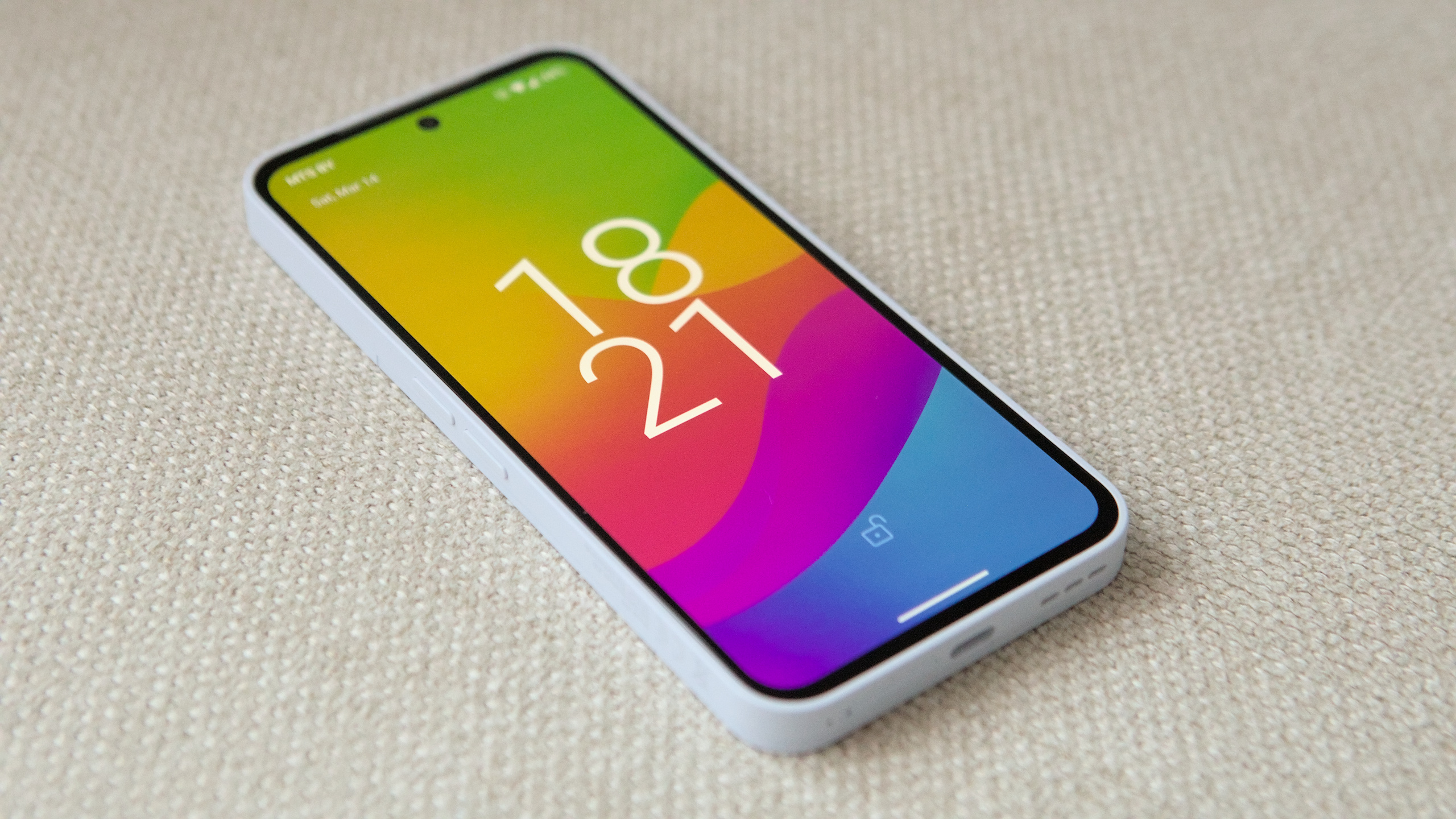
I think everything just lined up with this phone. The fact that it’s easy to repair — that’s a big deal for me. With the Sony I had to take it apart, and it wasn’t easy, you had to heat the adhesive with a heat gun just to swap the display or battery. Repairability is genuinely a plus in my book.
Longevity? Well, I think if a phone can be repaired and you can buy batteries and screens for it, then long-term use applies to any phone — so that wasn’t the deciding factor specifically. Not the main factor here.
Performance? Honestly, completely irrelevant to me. I was fine with a 12-year-old phone’s speed.
Ethics — yeah, that one matters. The phone comes with e/OS by Murena (a de-Googled Android that blocks trackers out of the box) — no Google apps by default, and it does a lot to stop the phone from spying on me. There’s a physical switch that disables the camera and microphone (configurable). That’s important.
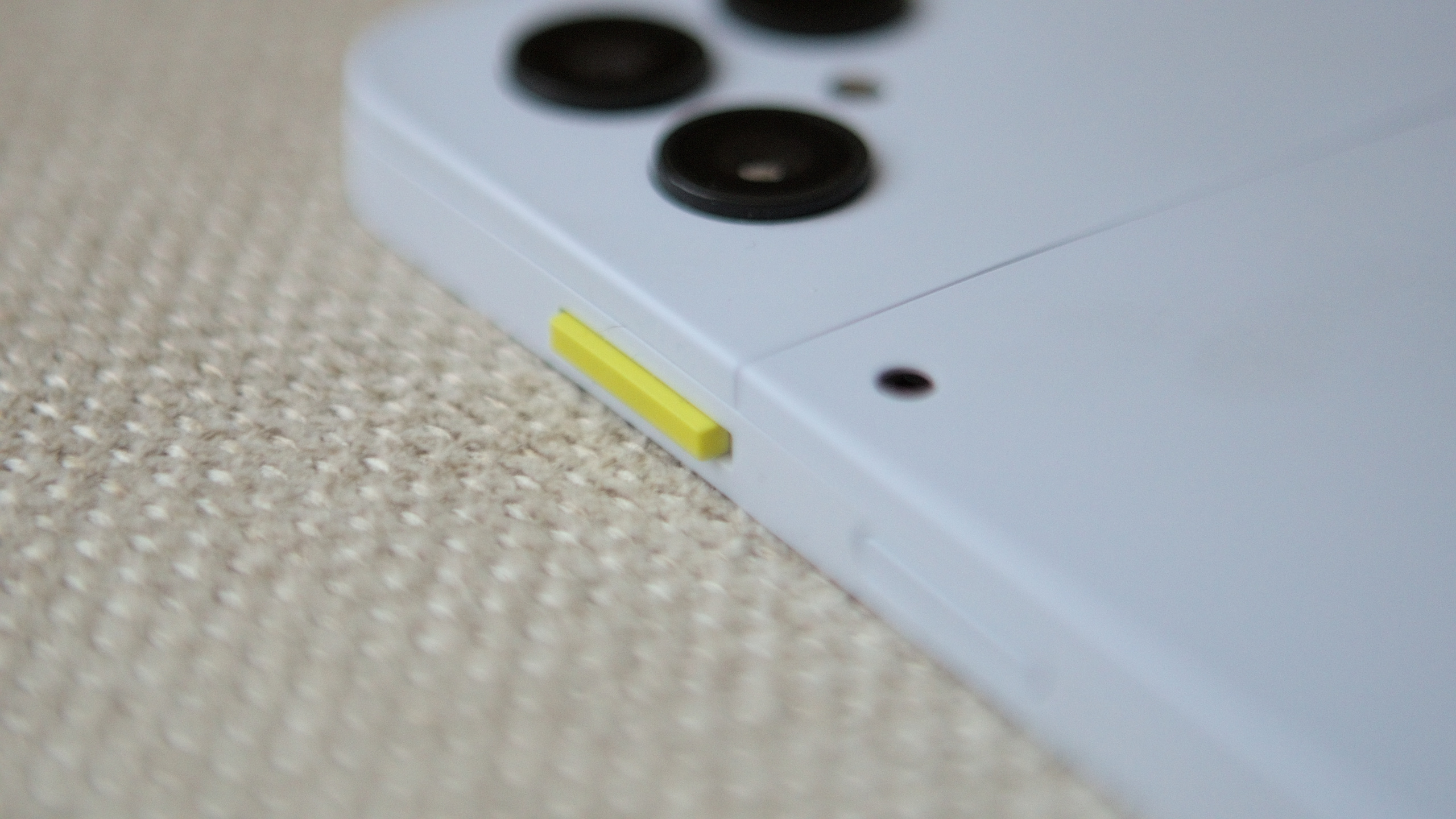
And the ethics also extends to how they manufacture phones in China with fair wages. And what genuinely impressed me — you can send your old phone in for recycling, and you can even earn a bit of money doing it.
In Belarus, where I’m currently living, that’s a huge problem — electronics don’t get recycled. Waste recycling in general is in a rough state. I gave my old phones to friends who live in Europe, and they sent them to Fairphone. No complicated feelings about it, I just knew I was doing the right thing.
Taking care of the environment is one of the things that drives me. I’m generally against mindless consumption — buying stuff for some fleeting rush of happiness, or to follow some trend. My approach is that you should only buy things if you absolutely need them, if you’re genuinely struggling without them. And comfort doesn’t really count — it’s second or third on the list.
Same goes for the phone. What am I supposed to do with it? Where do I send it? I can’t just throw it in the bin. You can’t really send it for recycling anywhere. If I knew it would have an ecological end — and not end up in an incinerator or a landfill — it’d be psychologically easier to let go of. I’d even be willing to pay extra for that. And that’s partly why I kept the Sony as long as I did.
But I don’t know of a single place, a single country, with a truly transparent recycling system. Norway comes close, maybe. They’ve made a lot of progress, but even there not everything gets recycled. When I buy something, I think about what it’s made of and how it’s packaged. As a family we try not to buy things made of plastic — we pay more for wooden toys, metal, glass — all good. Plastic is a problem everywhere. A phone is a complex electronic device, very hard to recycle. Nobody really does it properly, so it’s better to just keep it as long as possible.
One more thing — I love the Netherlands, it takes special place in my heart, and the phone was designed and built there. I wanted to support that business, their ideas.
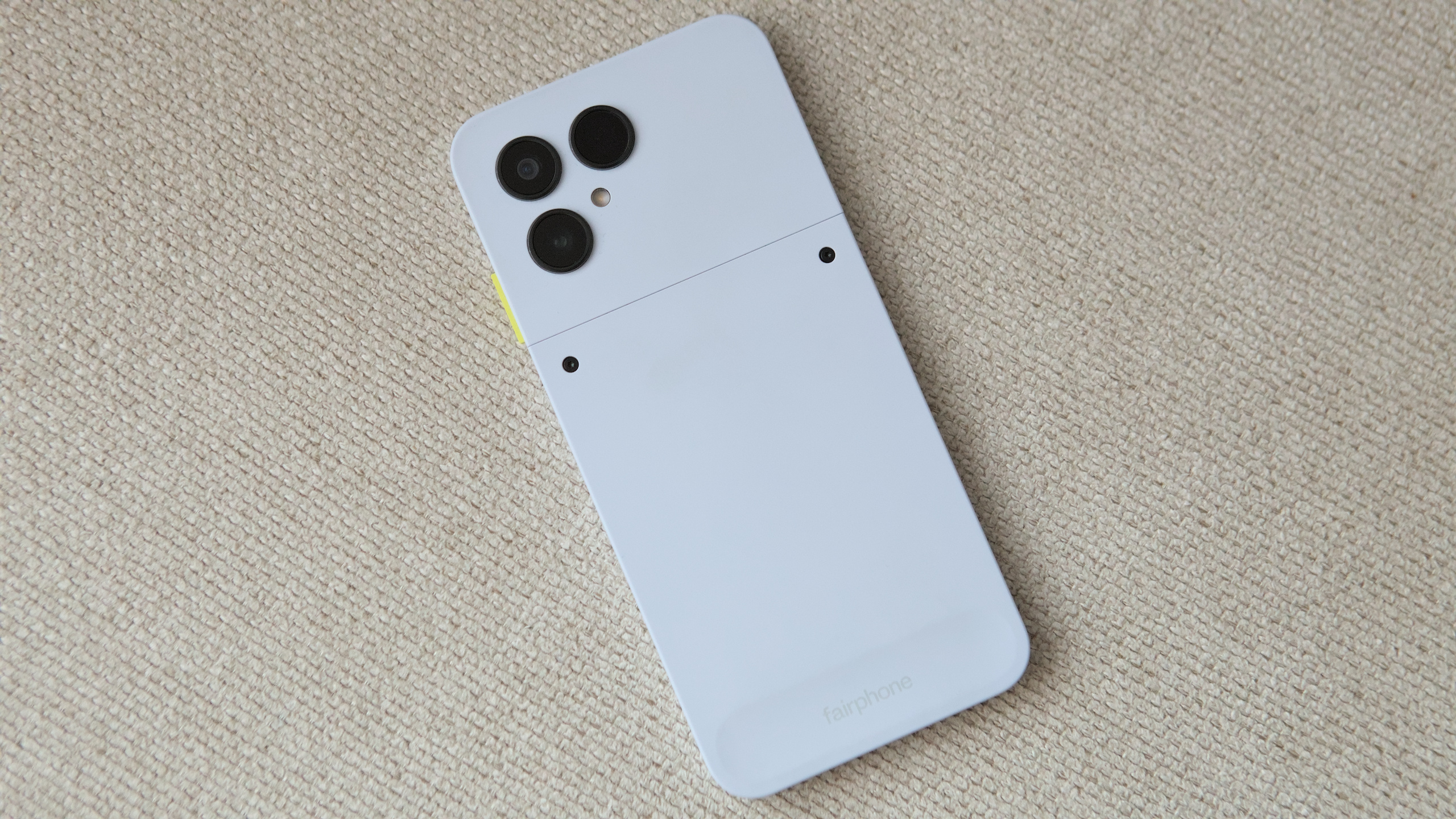
And the price is reasonable. I paid around €700. White, beautiful, light.
And minimalism doesn’t mean buying some cheap $50 piece of junk. That’s actually worse — buy a phone that breaks in a few months, no warranty (Fairphone, by the way, comes with a 5-year extended warranty), and then buy a new one. That’s exactly the kind of consumerism I’m trying to fight inside myself. Pay once, pay well for a good thing — without overpaying for a brand or for advertising. That’s what feels right to me.
That’s the math I apply to any serious purchase — a car, speakers, an aquarium, whatever. Based on my experience with similar things and my principles, I get a rough sense of how I’ll use it, for how many months or years, and divide the cost by the expected lifespan.
I think I’ll use this phone for at least 5 years, maybe 10. €700 over 10 years is really not much at all.
Good camera, easy to repair, relatively clean of trackers. I don’t really need much else. So for me, on every level, it was a perfect fit.
First impressions
What did I feel when I clicked “buy”? Nothing much, honestly. I thought — need it, decided, chose it, bought it, a minute later got a confirmation email, and forgot about it until the phone arrived. No emotional component there, really. No relief or big excitement. Well, it’s nice to hold a new device in your hand, sure.
Let’s just say that by 40, you start looking at things in life a bit more calmly and soberly.
First impression — everything runs fast and smooth. Screen is a bit smaller. Feels different in the hand at first. So I’ll probably order an extra cover with a finger loop on the back, so it doesn’t slip out — I got so used to the Sony sitting in my hand like it was made for it. But that’s a matter of a couple months, I think.
The switch
There was no transition period. I just spent 10–15 minutes moving apps from the Sony to the Fairphone. That’s it. There weren’t many apps. Photos and everything else I synced over through Syncthing, imported contacts.
A few thoughts to wrap up
On “good enough” versus the culture of constant upgrades. Yeah, I had the same phone for 12 years. Others were upgrading every year, or every 2–3 years.
What did friends and colleagues say? Nothing much, really. They’d just listen. I’d share my approach — you know, this whole downshifting, minimalism thing.
Everyone has their own life, their own interests, needs. My close friends use their phones pretty actively, so they just listened with interest — oh, there’s this other way of looking at it, another point of view — but no judgment, no criticism. Just curiosity. I never felt any pressure.
Nobody else in my circle does things this way. As far as I can tell, the popular trend is actually the opposite — buy everything. Big online marketplaces appeared across the CIS — the Commonwealth of Independent States, the post-Soviet countries — maybe 5–7 years ago, suddenly a ton of stuff became available, especially cheap things from China — phones, robot vacuums, and now even cars. People are chasing some kind of comfort I don’t really understand, or wanting to show something off. But even robot vacuums need maintenance, need spare parts. For me that’s a ticking time bomb — at some point you’re going to need to fix something. And you can’t just throw it away, can you.
People sometimes ask me: “Are you going to raise your daughter the same way?”
Teach her — no. My parents never explicitly taught me any of this. I’ll just live the way I live, show her by example that this is one way to do it — the same way it was shown to me. When she grows up, she’ll decide for herself whether she wants to follow similar principles or build her own. No pressure. We’ll find a rational balance. If she wants to buy lots of things — fine. She’ll see that me and my wife don’t do that. We use things for a long time. If my clothes are a little worn — and I sometimes wear things for 5, 7, 10 years — they still look decent, presentable. You can tell they’re not new, but it’s also obvious they weren’t just hanging in a closet, that it wasn’t wasted money for the sake of something fresh. That’s the approach.
I’ve always thought of computers, phones, cameras, and other tech as tools. Purely as tools. They’re on the same shelf for me as a hammer and a screwdriver. A tool should do its job cleanly. Some can handle a wide range of tasks, like a computer. Others are very specific, like a hammer — though with some cleverness even that can be stretched. And from there, different expectations, different criteria when analyzing and choosing — but they’re just tools. Same with cars. Status? Come on. I don’t need the emotions people try to get from cars or from owning stuff. I find fulfillment in other ways.
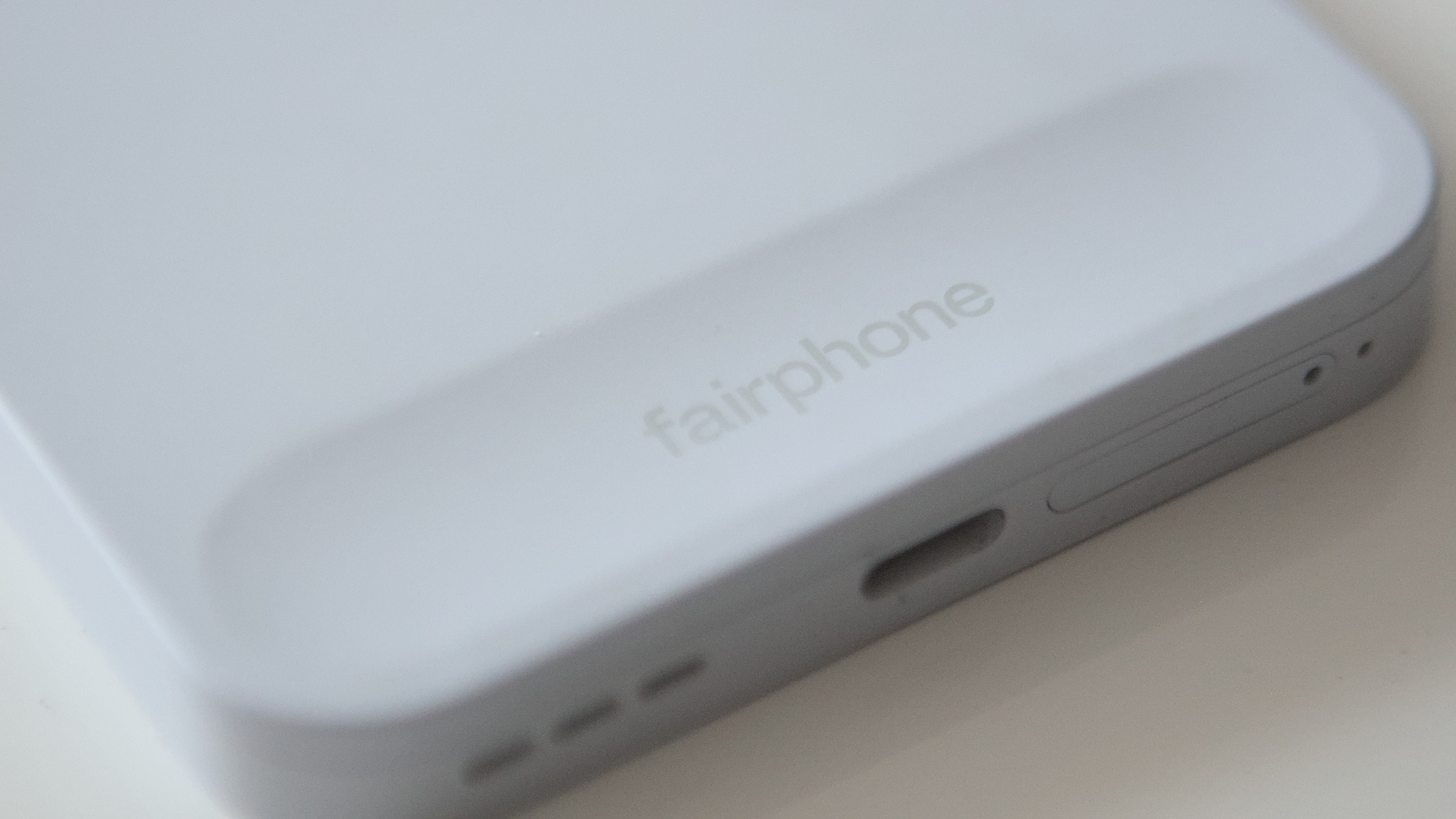
The Fairphone is on my desk right now. New, white. In a year or so, first scratches will appear. In five years, maybe I’ll swap the battery. In ten… we’ll see.
The Sony went with some friends to Europe — they handed it in to Fairphone for recycling. The Motorola lives in my heart, still sitting at home, still works, not giving it up.
Twenty years of phones. Twelve of those with just one — that’s pretty rare in today’s world, I think. And I’m at peace with it, because everything’s fair.